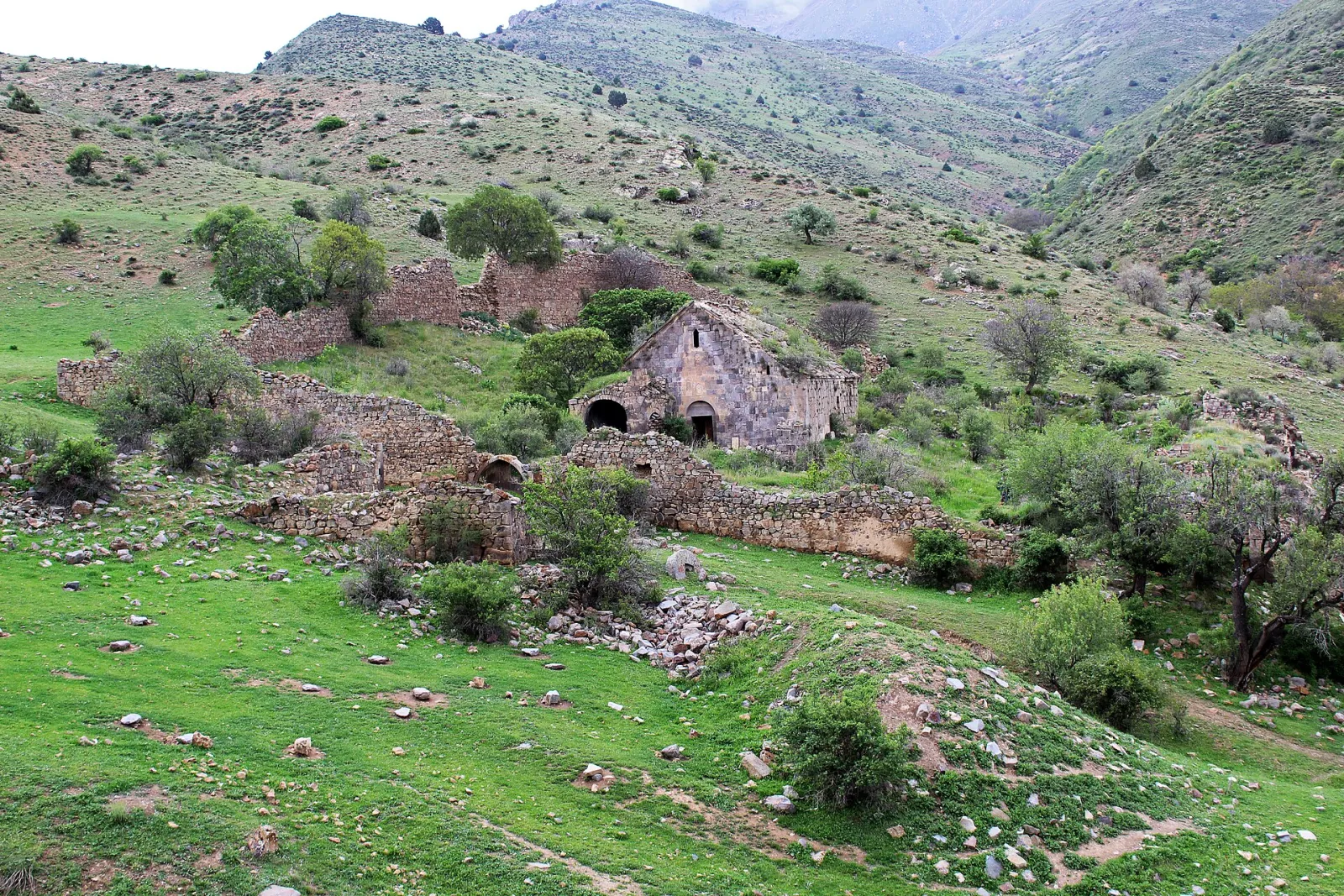
Soghomon Matevosyan, CC BY-SA 4.0
Shativank
A walled mountain monastery above the Yeghegis valley, founded in 929 and rebuilt in 1655–1668, once home to 90 monks.
The story
Shativank stands on a mountainside about 4 km east of the village of Shatin, high above the left bank of the Yeghegis river. According to the historian Stepanos Orbelian it was founded in 929 by Bishop Hakob of Syunik as a strict and famous hermitage. Many khachkars and inscriptions of the 10th–14th centuries survive. After the 14th century the monastery declined and was probably destroyed, for in the mid-17th century a new one was built on the same site.
The present Church of St. Sion, a three-nave basilica of dressed basalt, dates from 1655; its patron was the former merchant Hakob Jughayetsi, who left worldly life to join the brotherhood. Between 1655 and 1668 Vardapet Movses built the walls, strengthened with three round towers on the south, along with living quarters and a refectory. Standing on the road linking Nakhichevan and Syunik to Lake Sevan, Shativank became one of the great religious centres of late-medieval Syunik, with 90 monks, an oil press, a mill, a canal and a bridge.
What to see
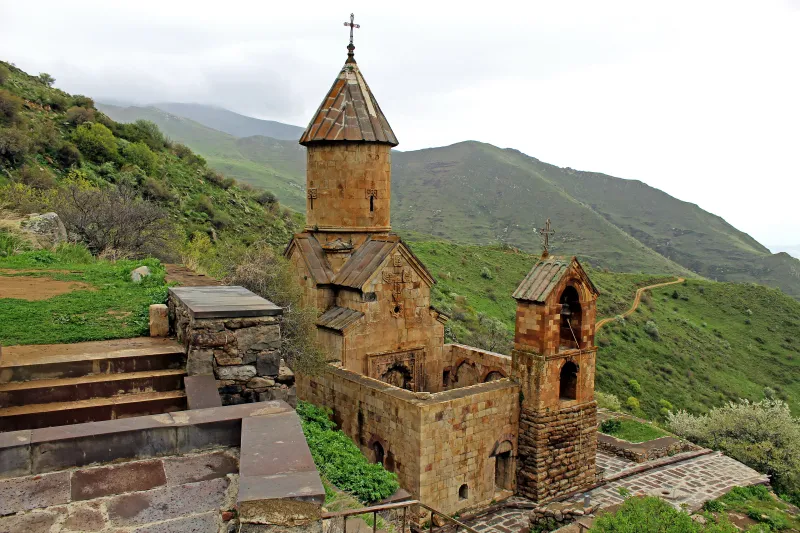
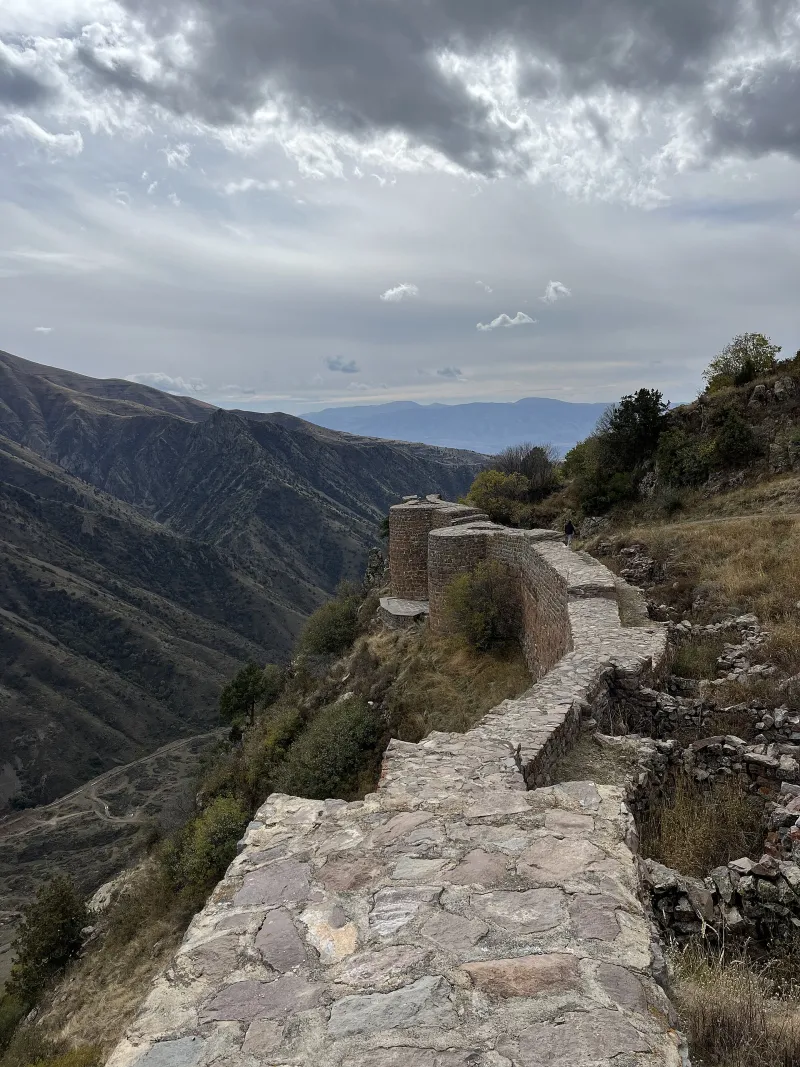
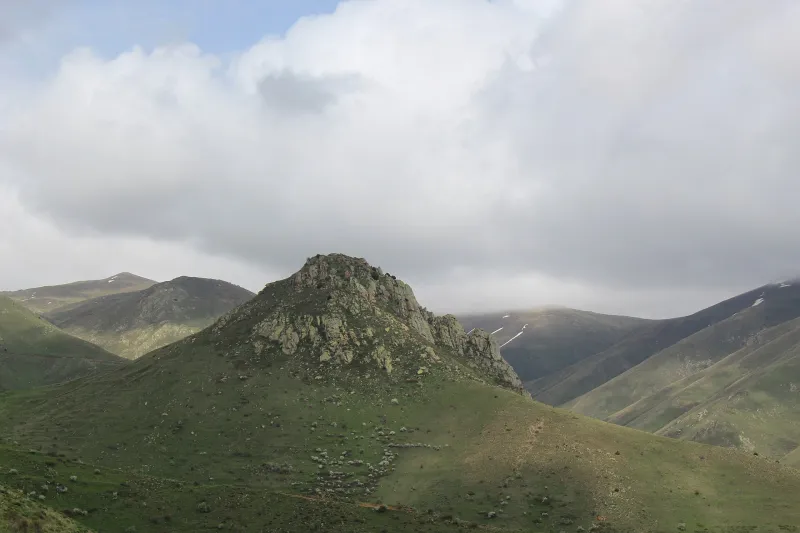
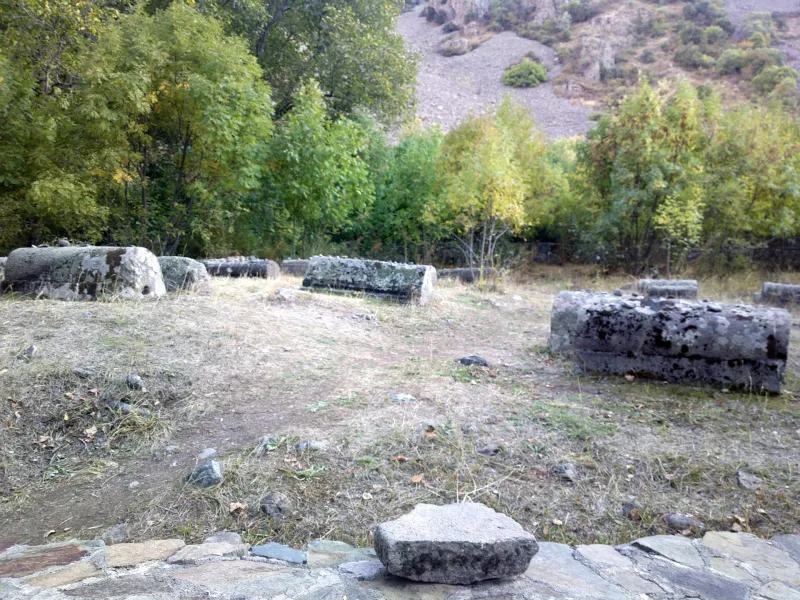
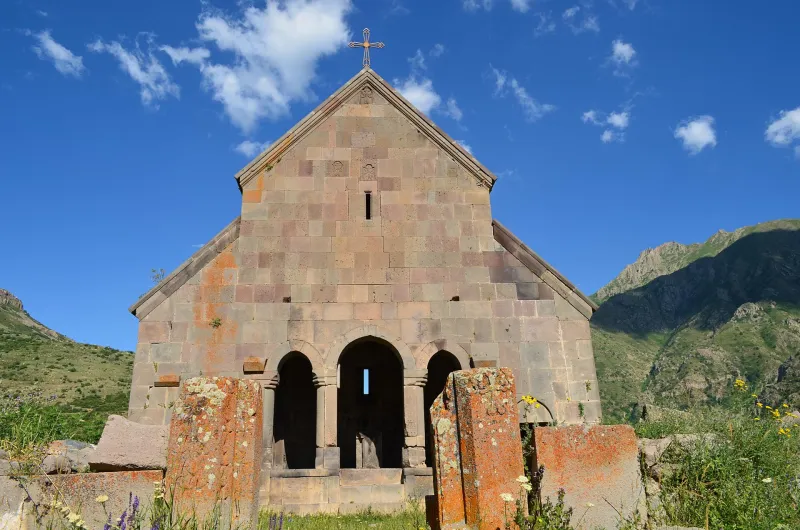
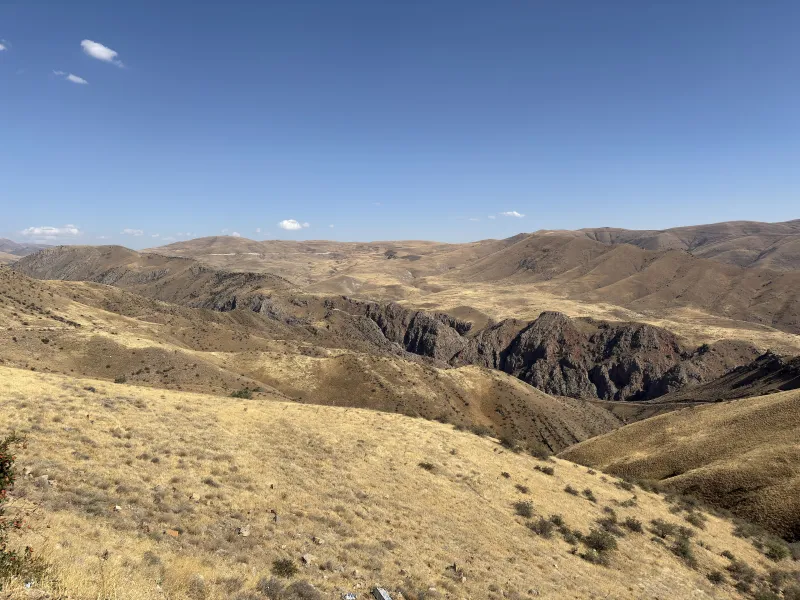
Photos: Emma YSU, CC BY-SA 4.0 · Soghomon Matevosyan, CC BY-SA 4.0 · Ավետիսյան91, CC BY-SA 4.0